Markéta Hermanová - Artist's Hero
Unlocking the powerof art in business.
Markéta Hermanová

Markéta Hermanová

Markéta Hermanová

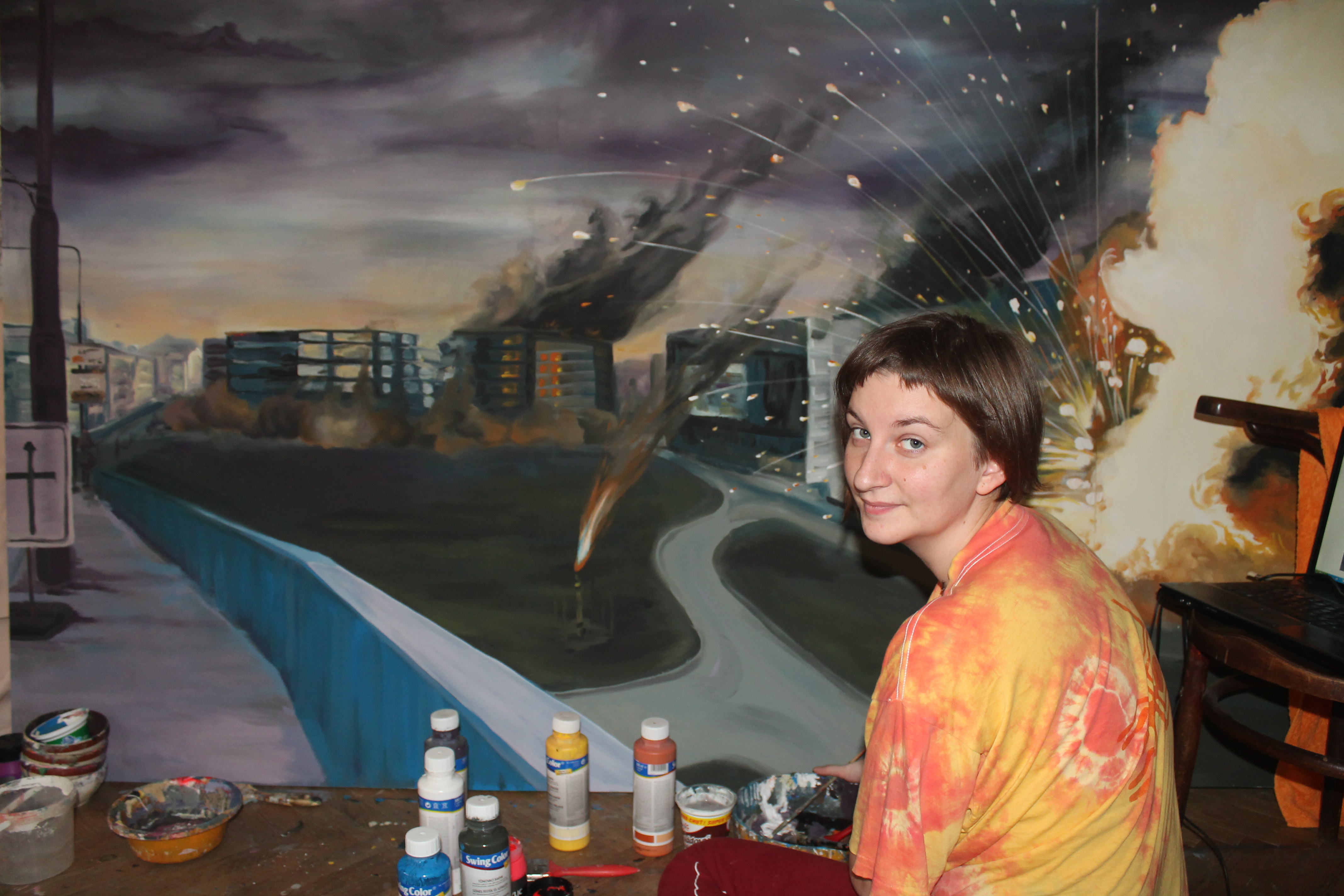
Markéta Hermanová (*1985) is a graduate of the Faculty of Fine Arts at the University of Ostrava, where she studied in the Painting II Studio led by F. Kowolowski (2005–2009). She lives and works long-term in Ostrava, where she has had the opportunit...
Markéta Hermanová
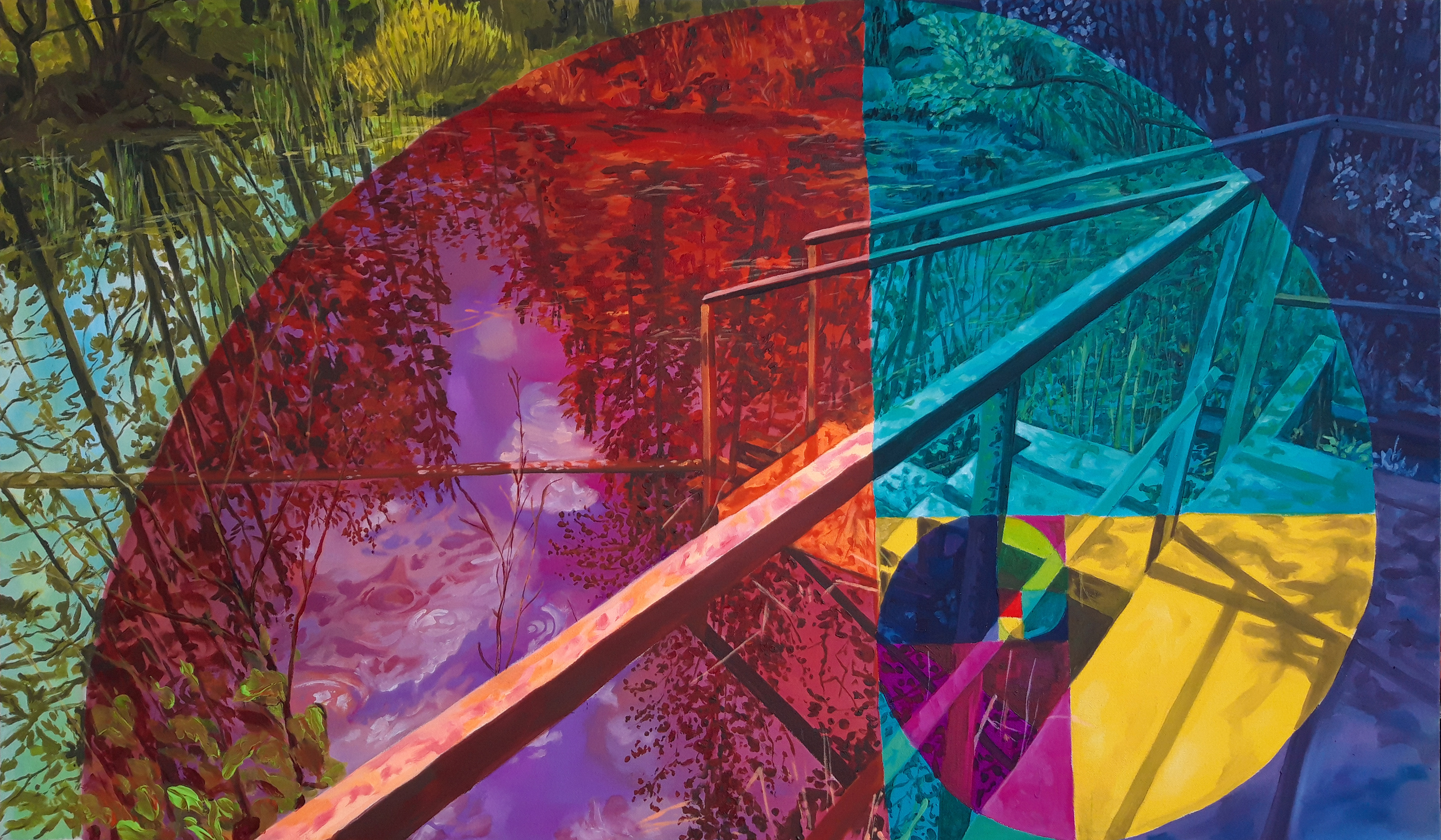
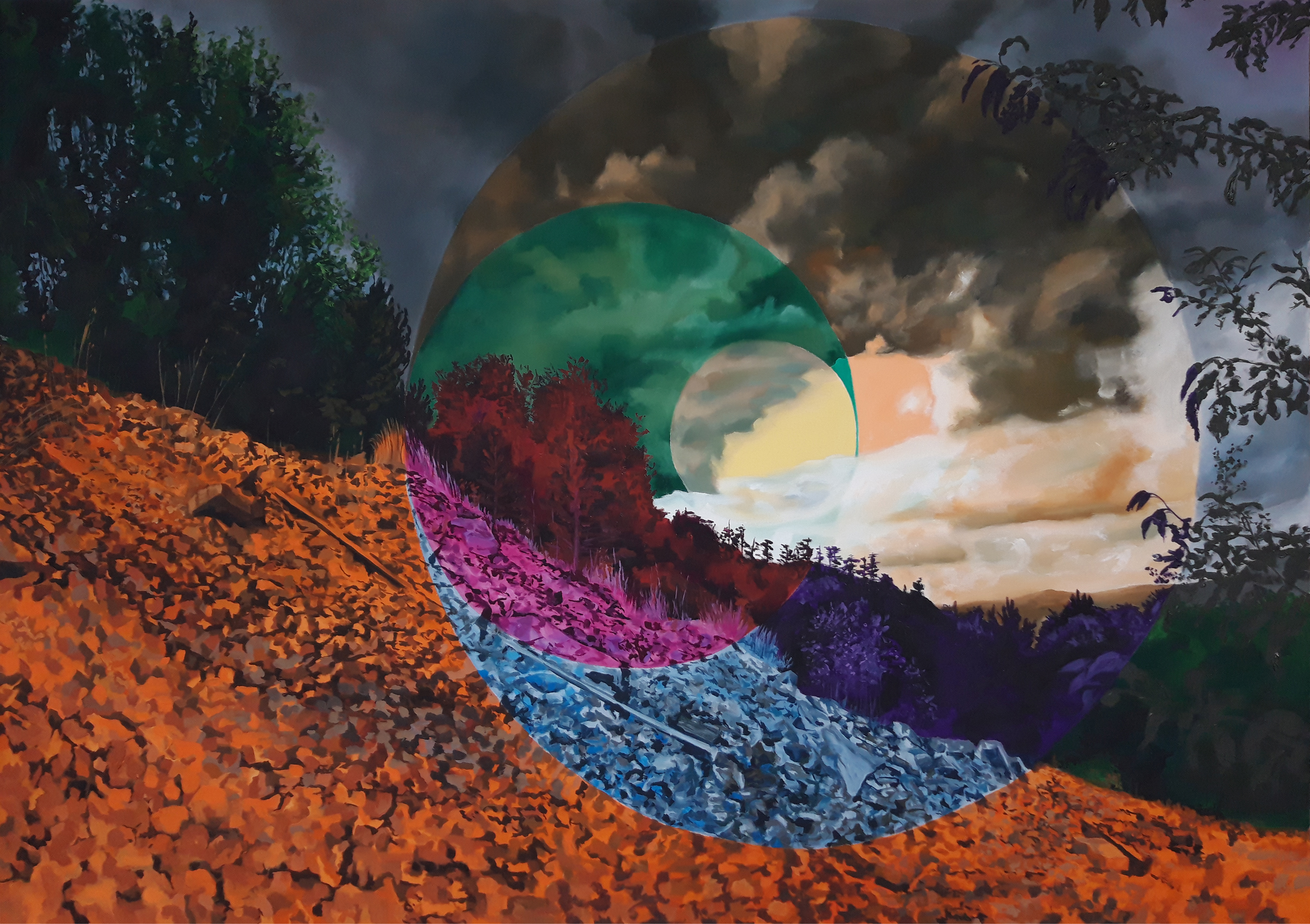
Golden section, acrylic on canvas, 80 x 140 cm, 2023
Golden section, acrylic on canvas, 80 x 140 cm, 2023

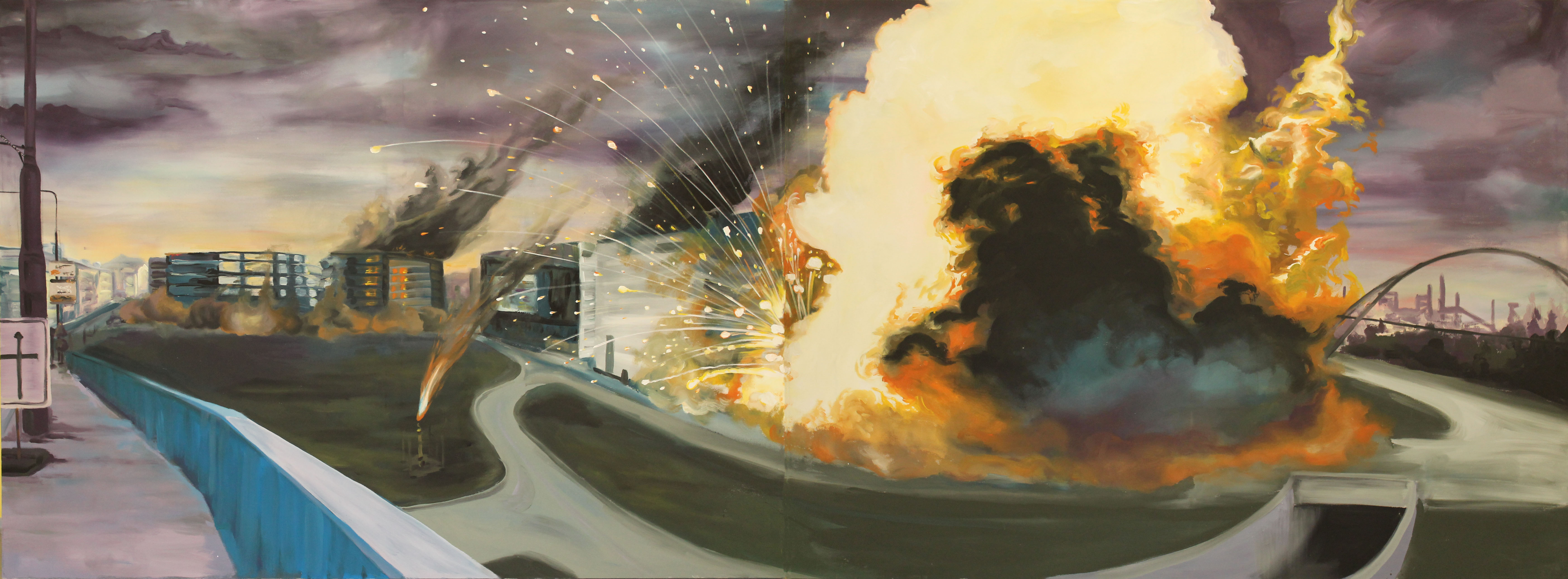
Fukushima, acrylic on canvas, 140 x 400, 2012
Fukushima, acrylic on canvas, 140 x 400, 2012

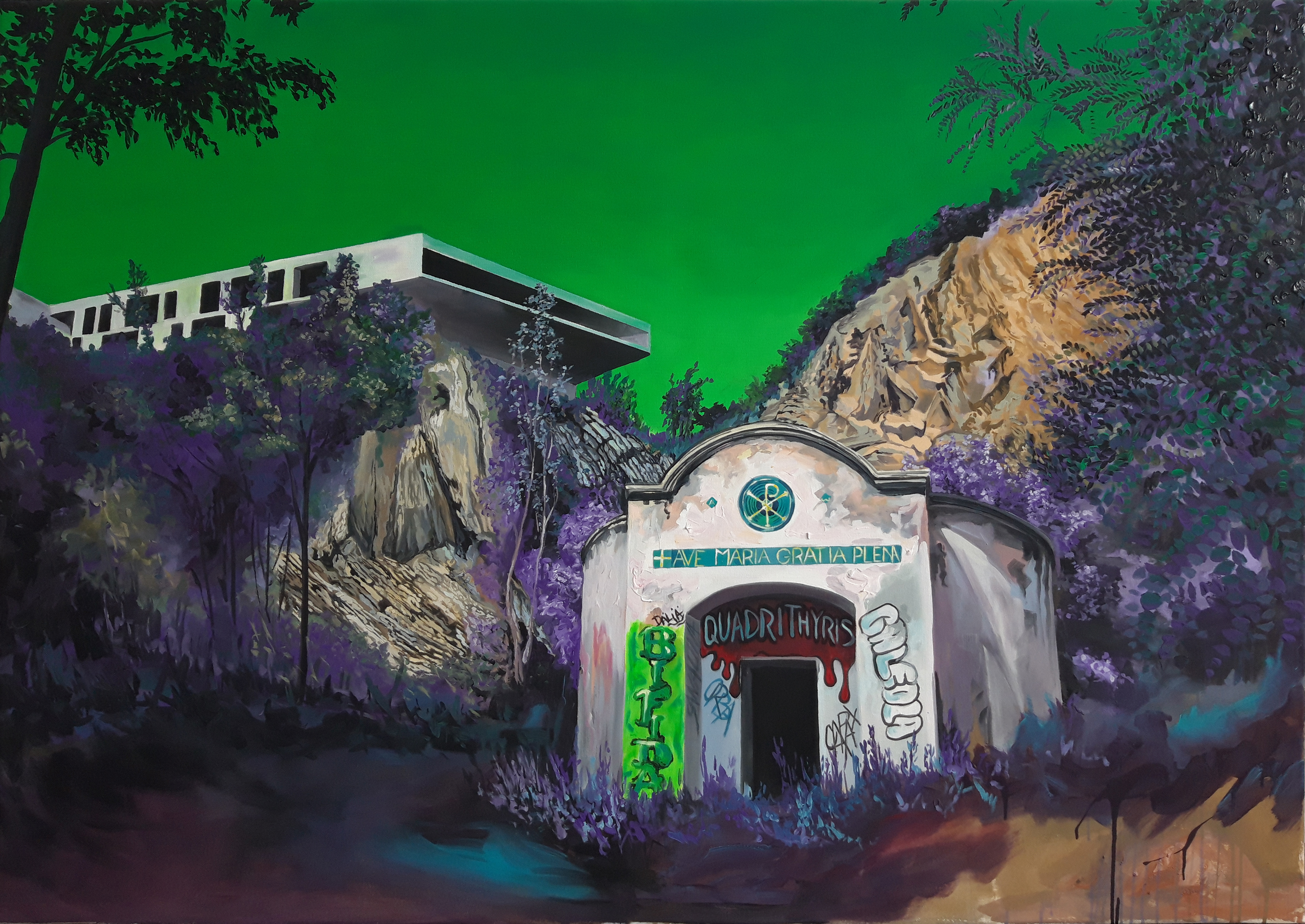
KUKUK, acrylic on canvas, 140 x 200 cm, 2022
KUKUK, acrylic on canvas, 140 x 200 cm, 2022

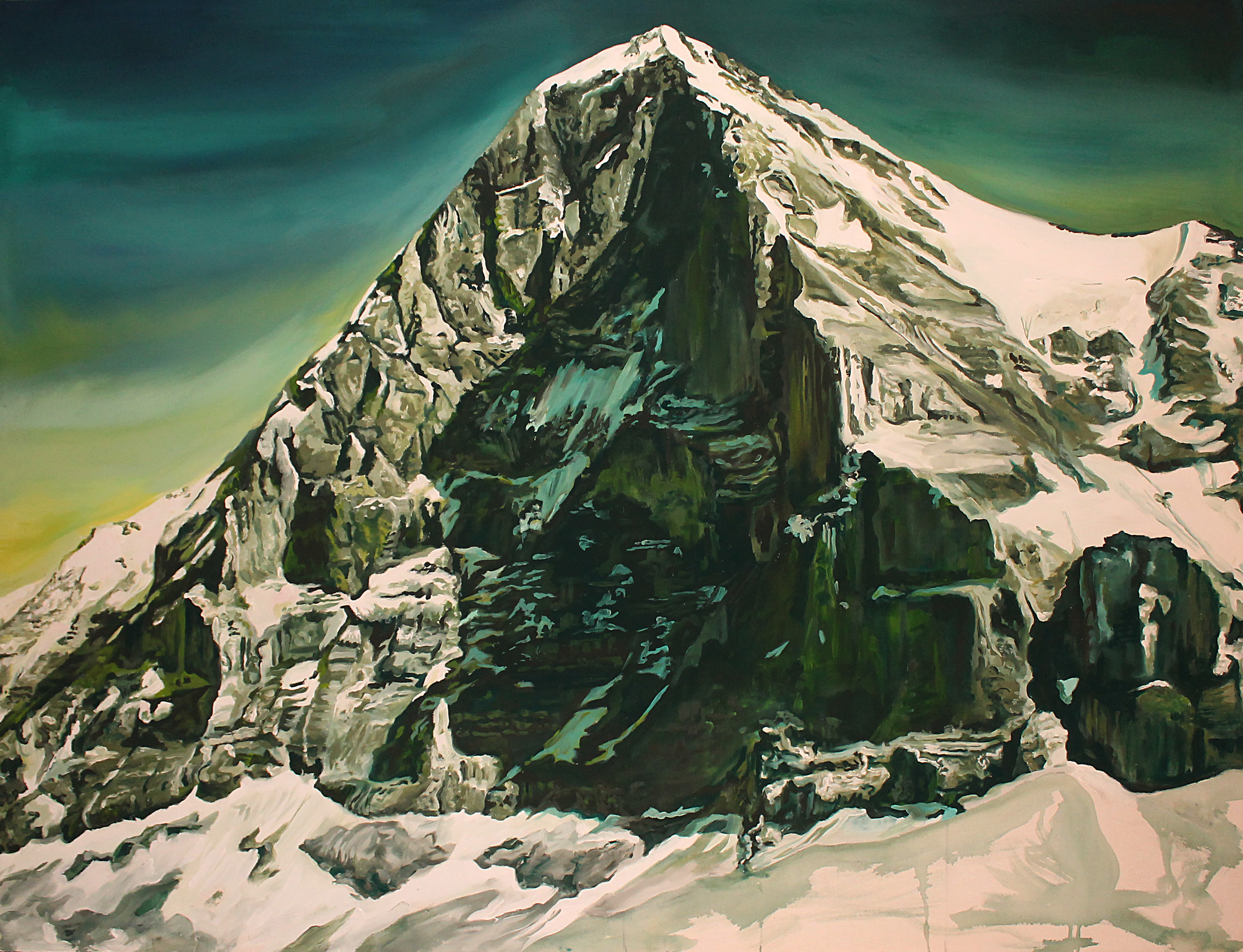
Oil, acrylic on canvas, 140x190, 2016
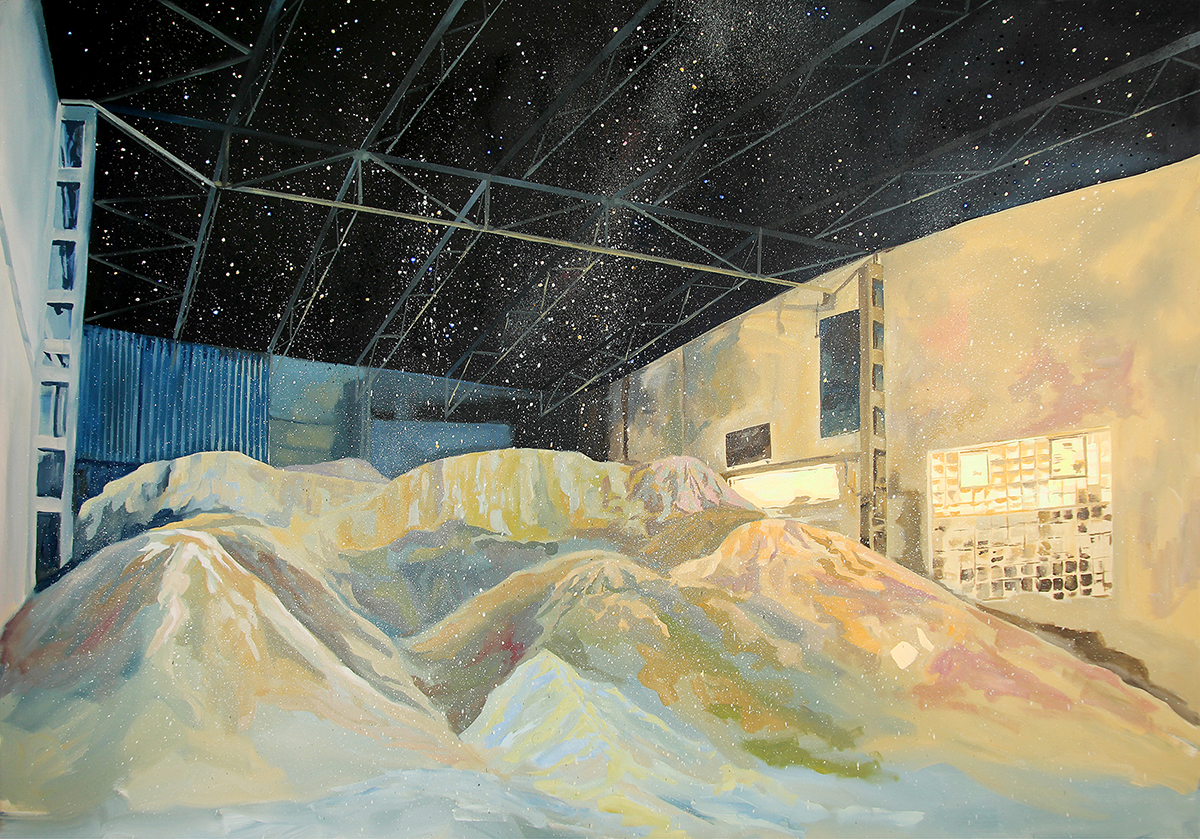
Oil, acrylic on canvas, 140x190, 2016

Stardust, acrylic on canvas, 140 x 200 cm, 2024
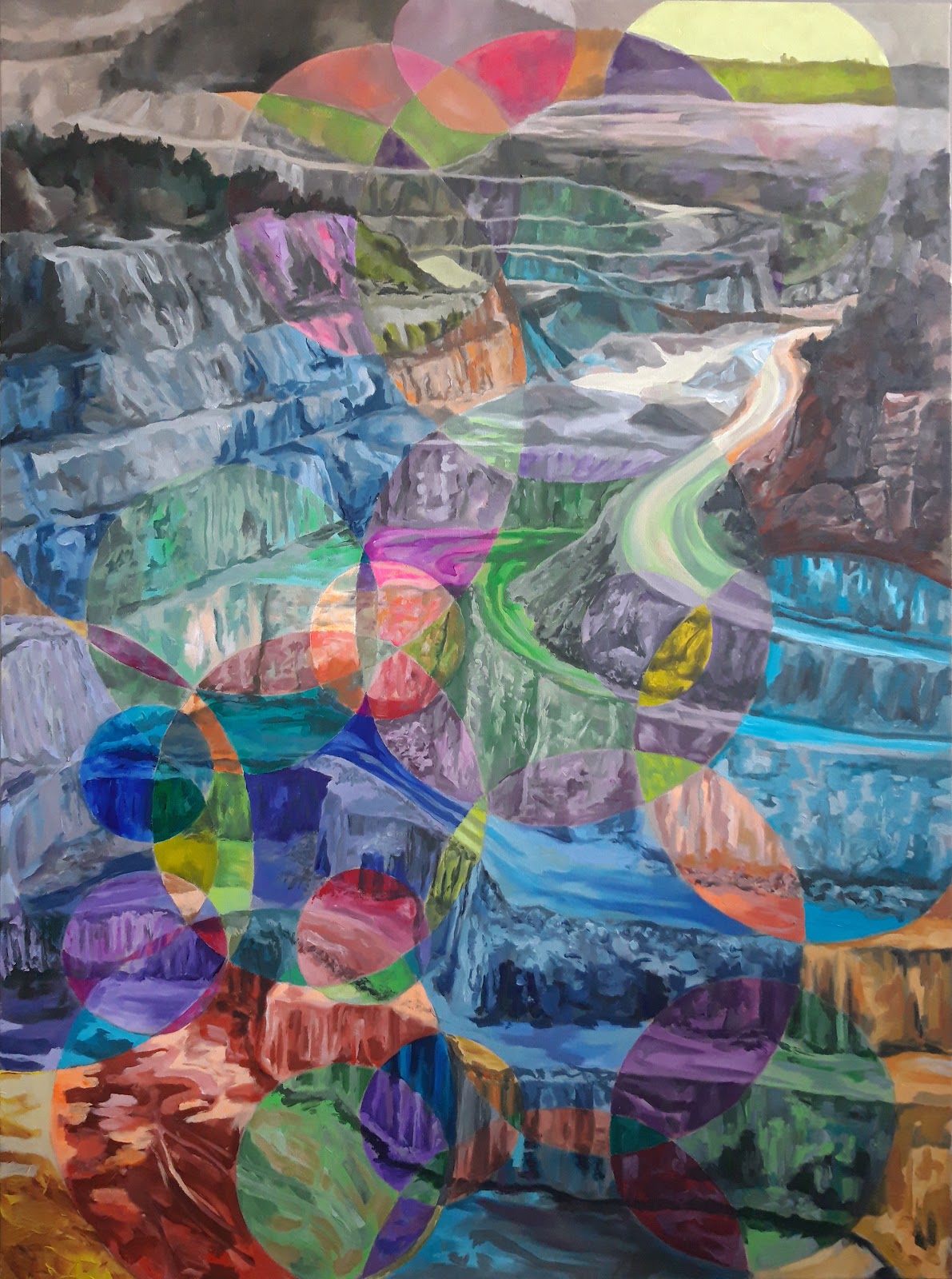
Stardust, acrylic on canvas, 140 x 200 cm, 2024

Čertovy schody, acrylic on canvas, 100 x 70 cm, 2024
Čertovy schody, acrylic on canvas, 100 x 70 cm, 2024

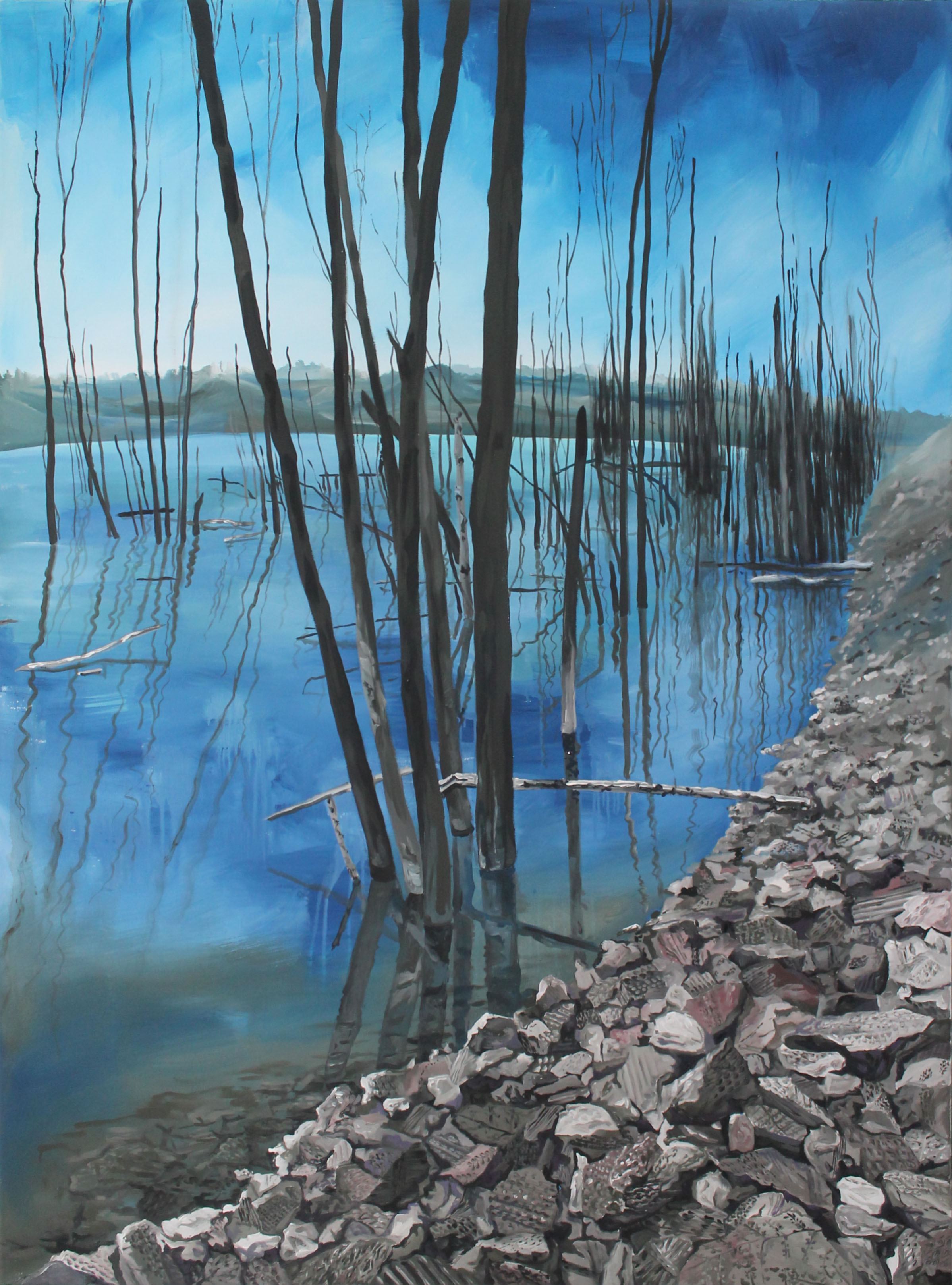
Karvinské moře, acrylic on canvas, 190x140, 2017
Karvinské moře, acrylic on canvas, 190x140, 2017

The Three-Body Problem, acrylic on canvas, 140 x 200 cm, 2024

The Three-Body Problem, acrylic on canvas, 140 x 200 cm, 2024

Testimonials

All testimonials
Martin Židek

Improving employee mental well-being is one of the main goals companies emphasize when designing new offices. And according to research, the installation of art can be one of the elements that significantly contributes to this goal.

Martin Židek

Head of Architecture, CAPEXUS

Helen Tóth

What I appreciate most about working with Marek Jakúbek and the Artist's Hero project is how thoughtfully and honestly the entire initiative is built – from communication and the contract to the actual execution. I also value the fact that the project is consulted with theorists and curators, and that it has managed to rid the art rental format of the unpleasant connotation it often carries here, transforming it into a dignified and refined connection between art, space, and people. An authentic passion for art can be felt throughout the entire project. At the same time, it is one of the few formats of its kind that is able to appreciate artists not only symbolically, but also adequately in financial terms.

Helen Tóth

visual artist, painter

unconductive trash

Already during your studies at AVU, you become familiar with what the careers of other figures from the art world look like. Gradually, you discover your own opportunism as a certain driving force that cannot be simply suppressed. You begin to ask questions about where and in what light you will exhibit, who will represent you, and who will follow your work. The art world in which you exist should ideally be clear and transparent, at least as far as the values at stake within it are concerned. The art world has varying degrees of resolution. Some institutions can make an artist appear larger, while others will shrink them or let them disappear into the noise. Over time, you begin to notice that individual exhibition opportunities are not just neutral places where you place your work. And sometimes you also discover that opportunism does not necessarily have to be something to be ashamed of. That is perhaps the strange paradox of an artistic career: you try to create something meant to be independent of the system, and at the same time, you spend your whole life learning how to exist within that system. And yet, through all of this, there is one more—perhaps the most important—factor: the human element. Behind all the institutions, galleries, names, and their varying degrees of resolution are specific people who decide whose trust to earn, who to approach, and with whom they want to collaborate. In our case, this is primarily Anna Pulkertová and Marek Jakúbek, whose approach represents for us precisely that rare combination of professionalism, trust, and personal interest. At such a moment, the initial question of where and in what light one presents oneself begins to change slightly. It is no longer just about the value a given place holds in the hierarchy of the art world, but also about the people you meet there and what you are able to offer one another.

unconductive trash

Rudi Koval and Michal Pěchouček, art duo

01
02
03