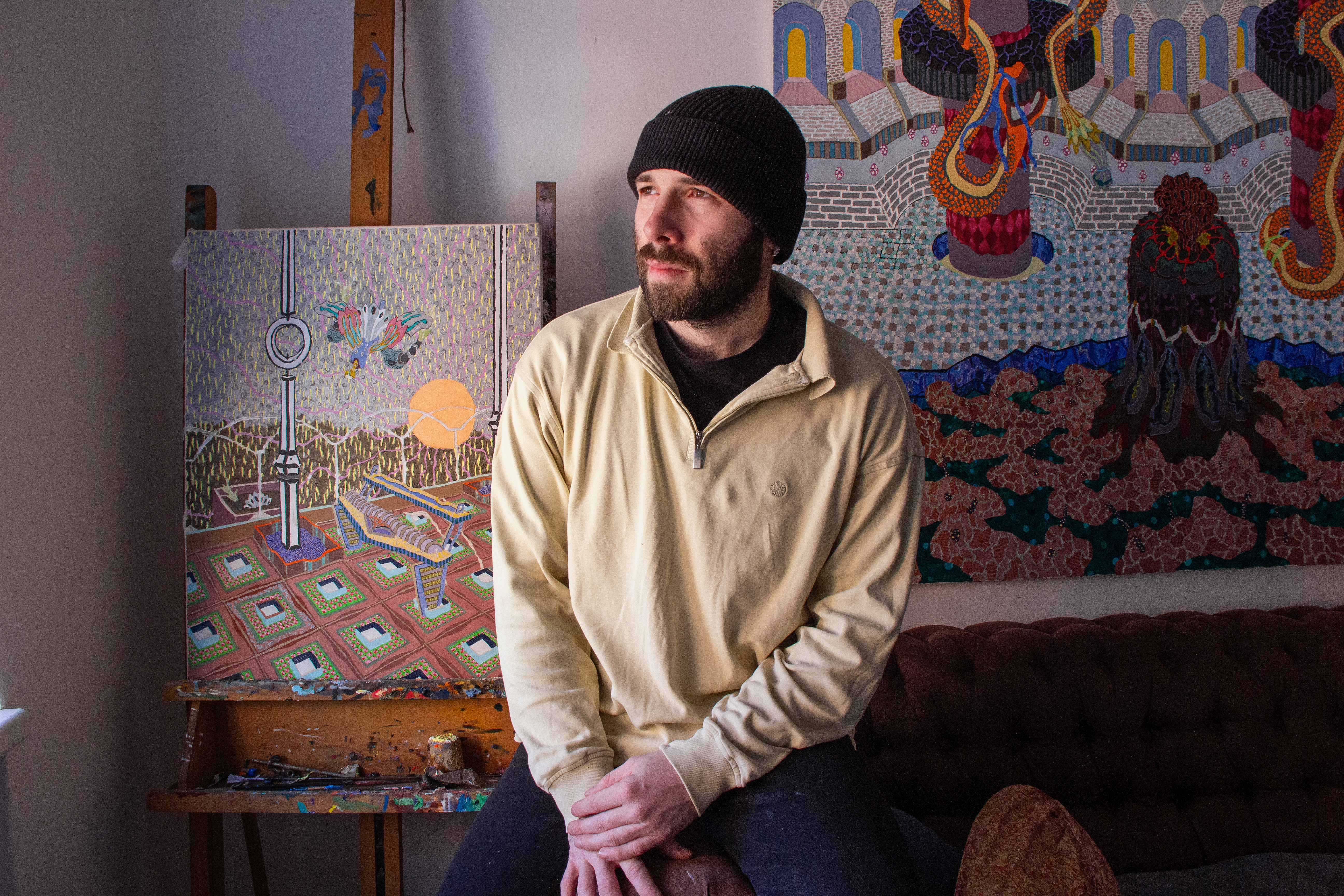
Kanrec Sakul
Visual artist Kanrec Sakul (born 1989 in Košice) focuses in his work on detailed oil painting, obsessive drawing, and raw object-based realizations and installations.The author's paintings are dominated by a strong interest in experimentation, s...
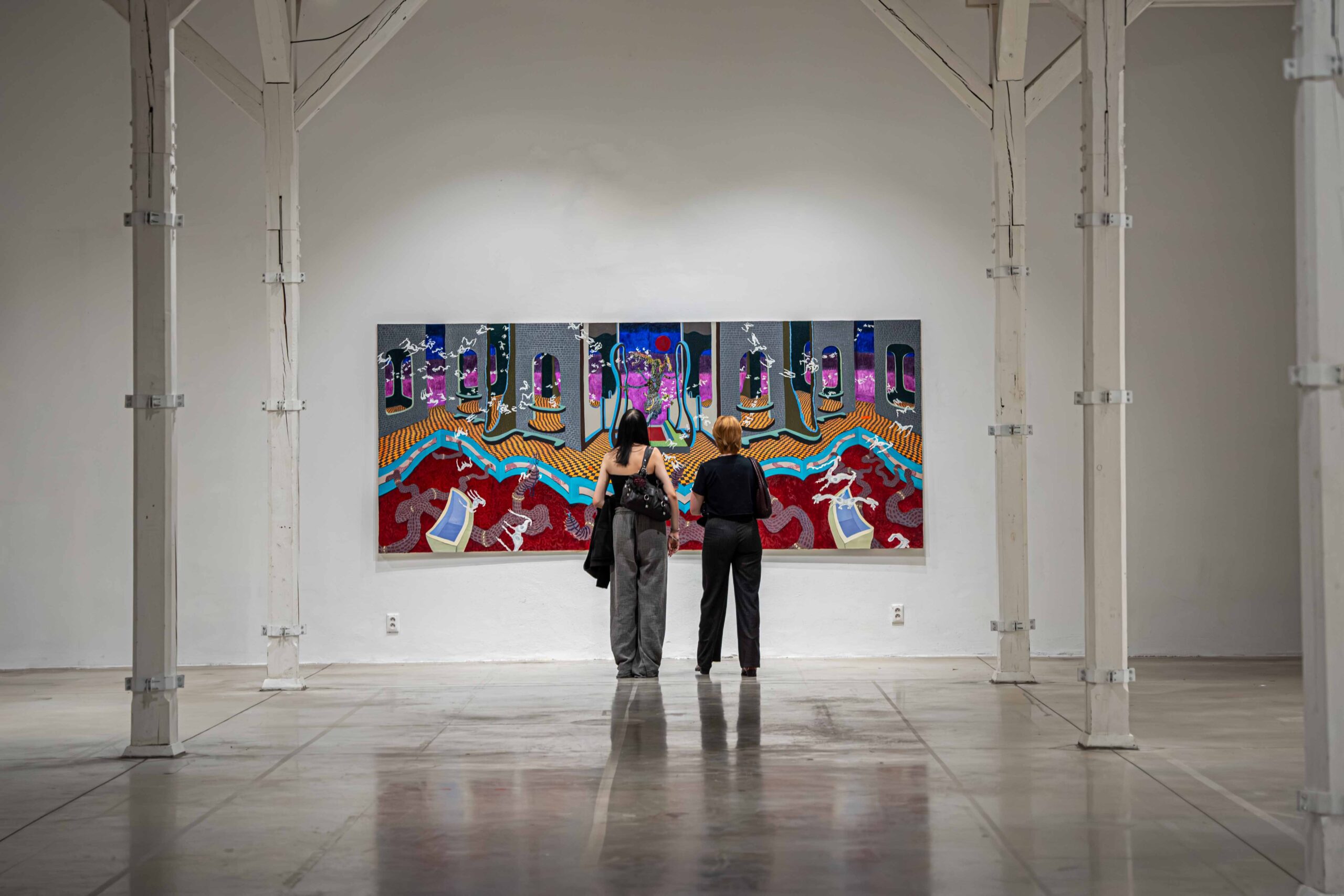
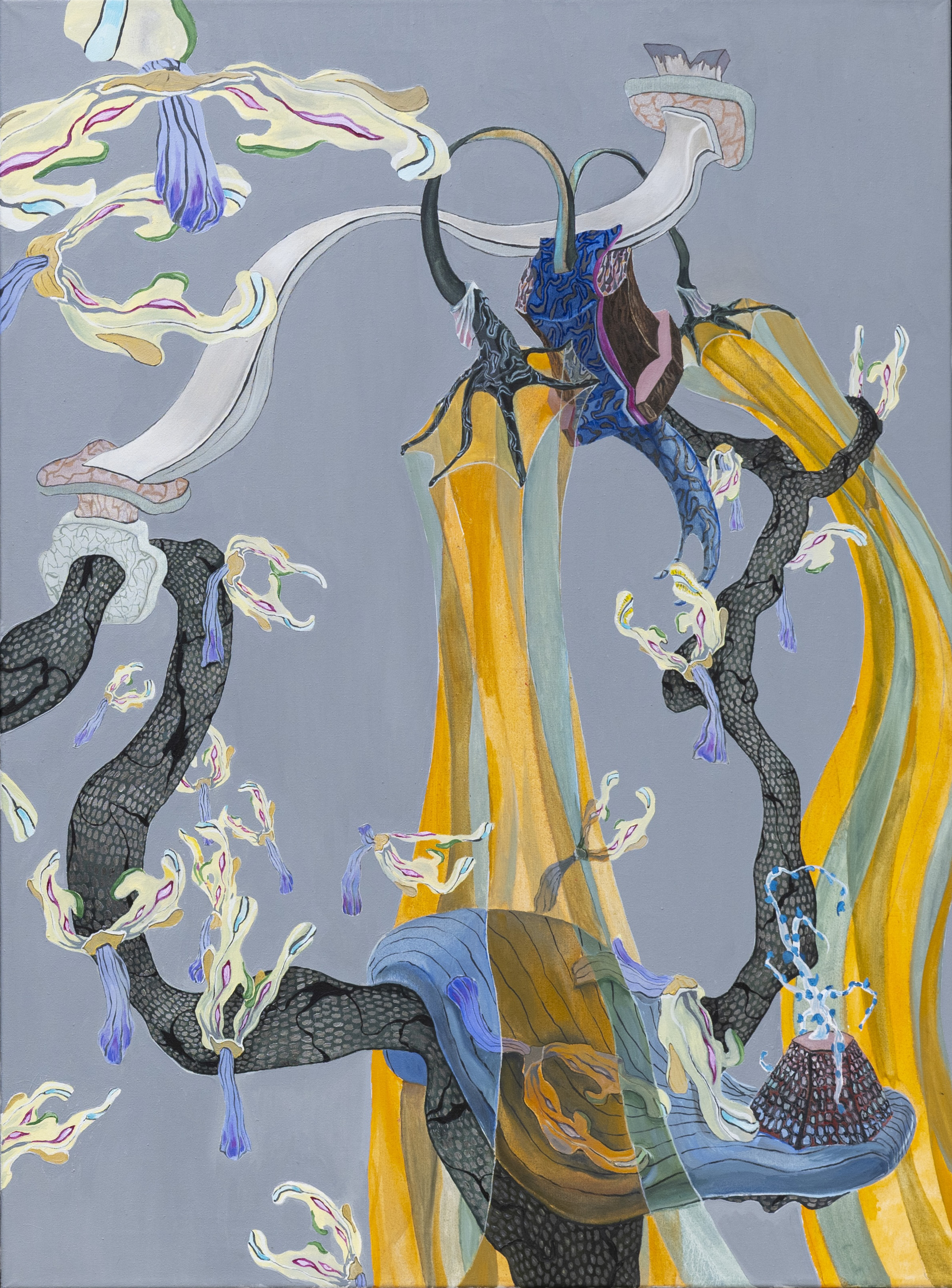
Kurteno, 95 x 70 cm, oil on canvas, 2024
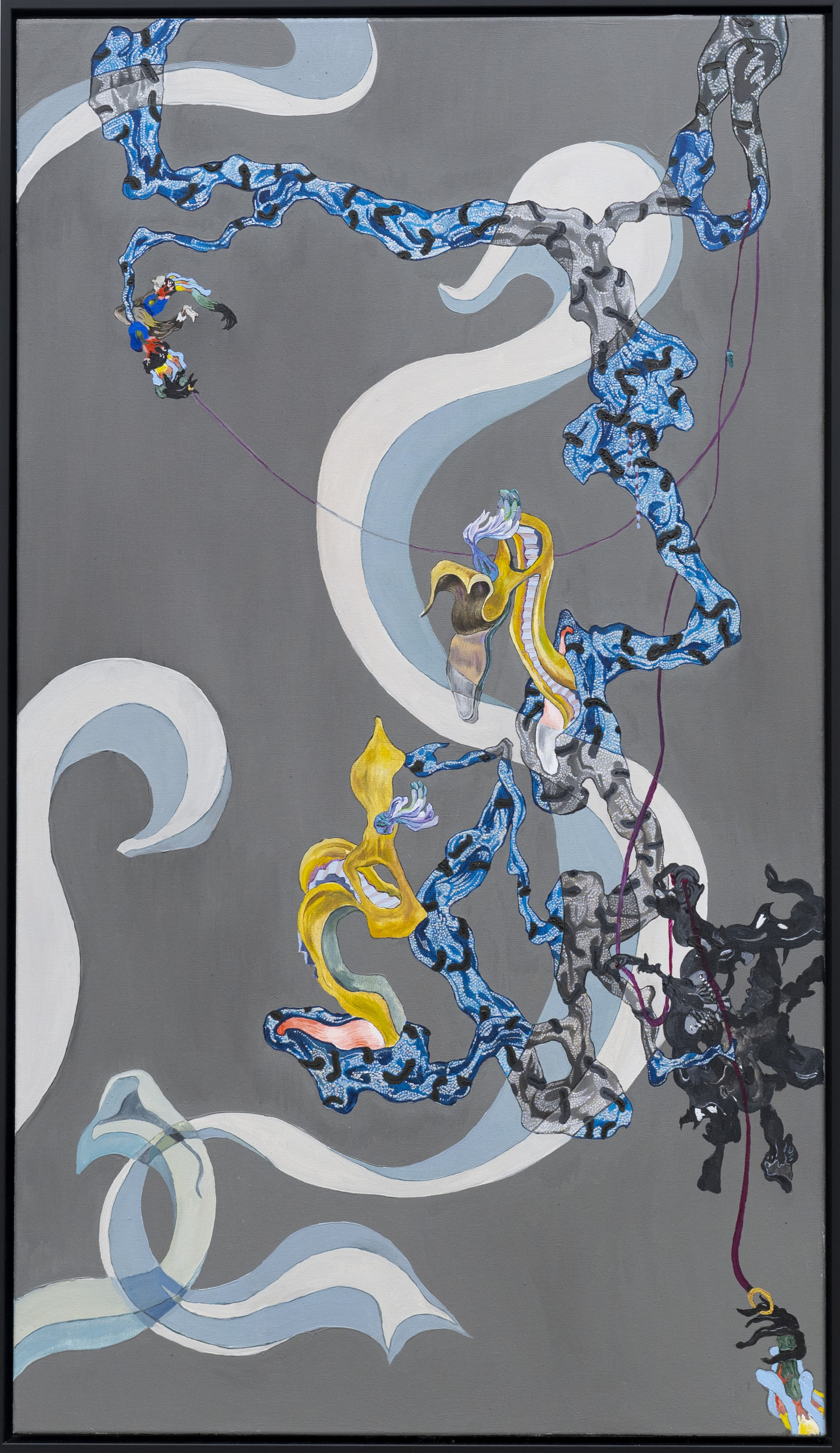
Konkurade, 105 x 60 cm, olej na plátně, 2024
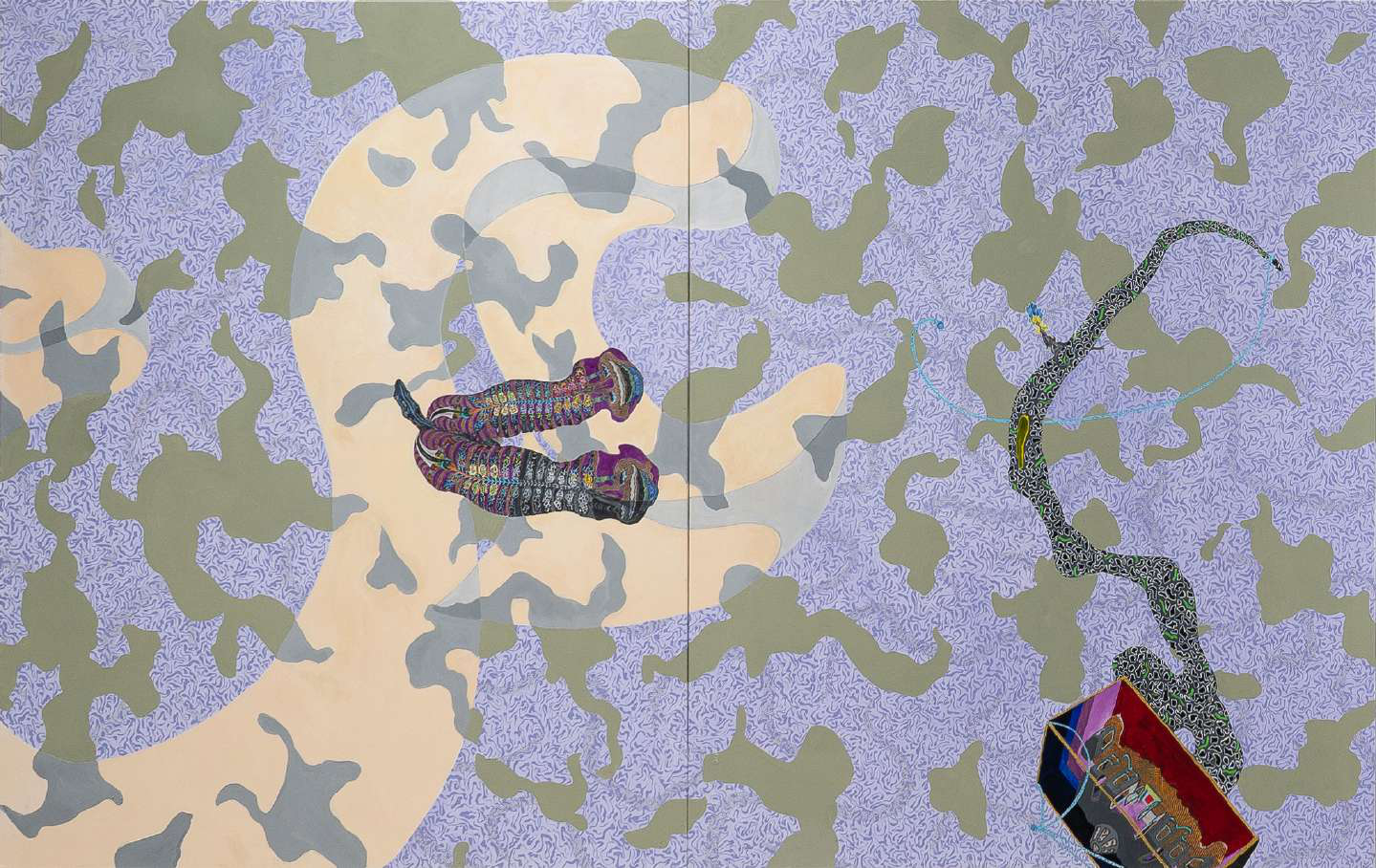
Mosseko III, 165 x 260 cm, oil on canvas, 2025
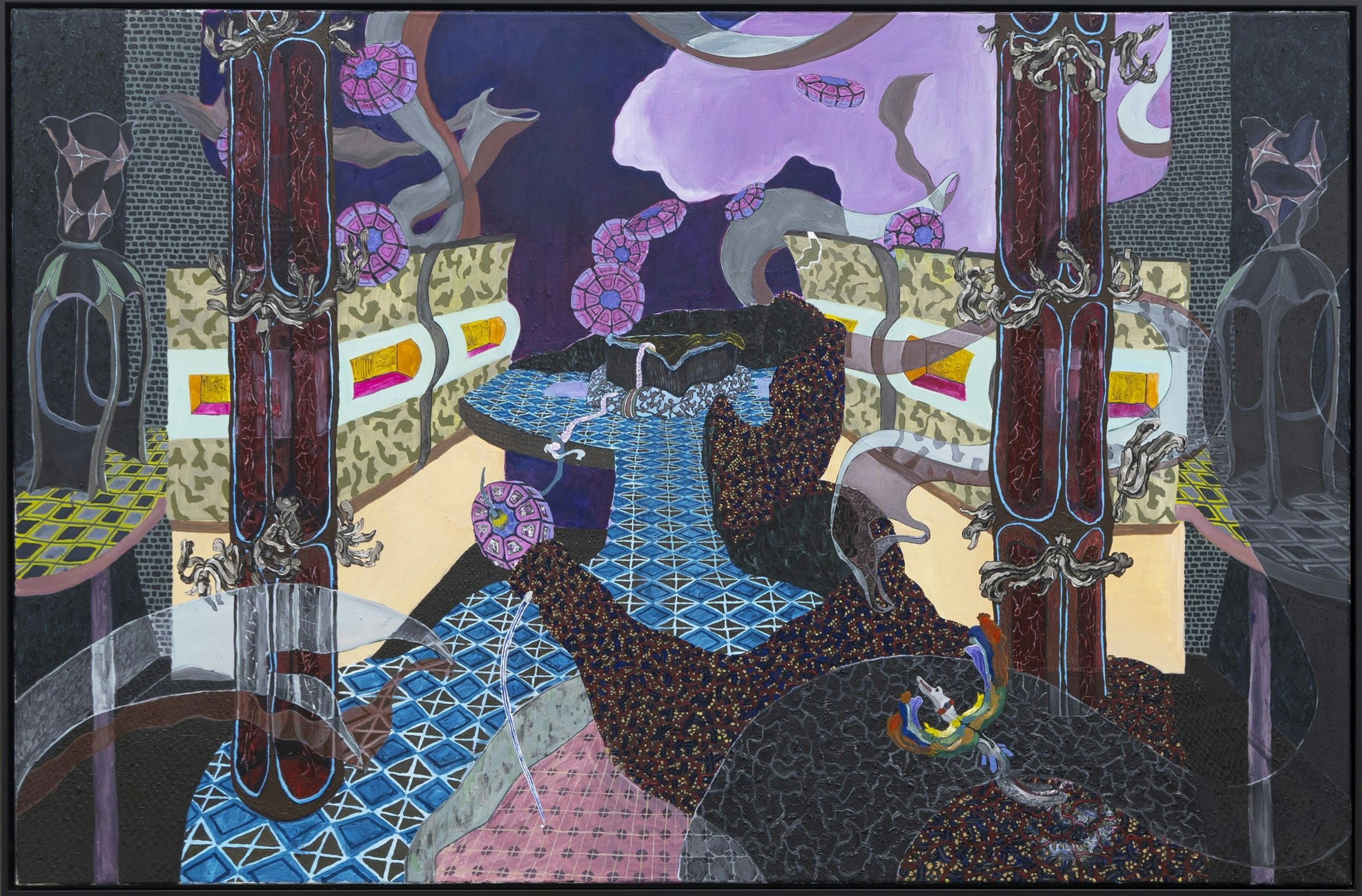
Trono, 135 x 80 cm, oil on canvas, 2024
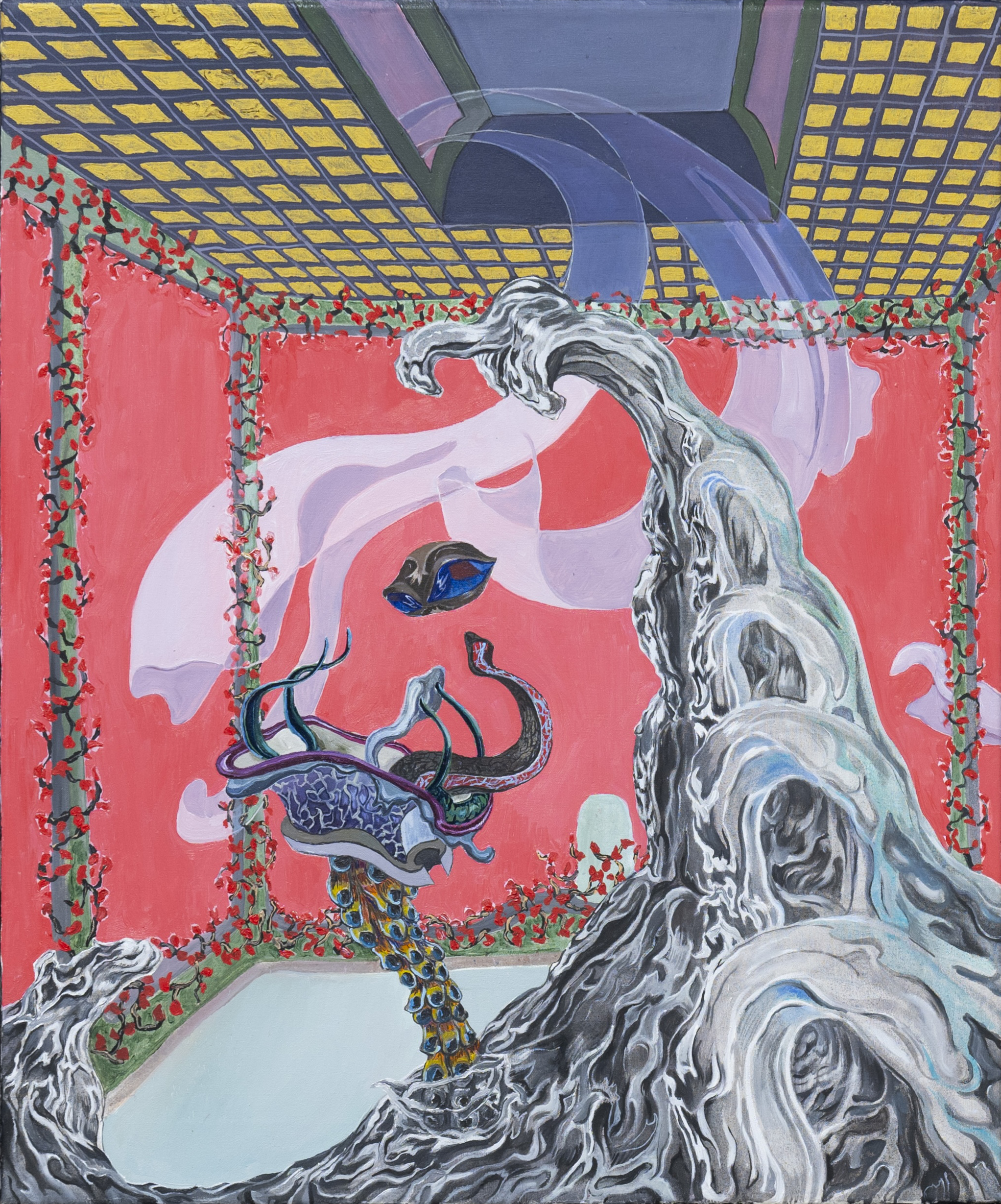
Kaptilo, 60 x 50 cm, oil on canvas, 2024
Testimonials
All testimonials
In today's organizations, I perceive essentially two approaches, both of which are good to keep in balance. The first is based on data, numbers, and measurable indicators. The second is based on emotions, intuition, and deep relationships. Exposing oneself to art seems to open both the mind and the heart. It is not always necessary to understand it; it is enough that it invites us to look again and differently.
Apolena Weissová
Business Development Manager, CAPEXUS
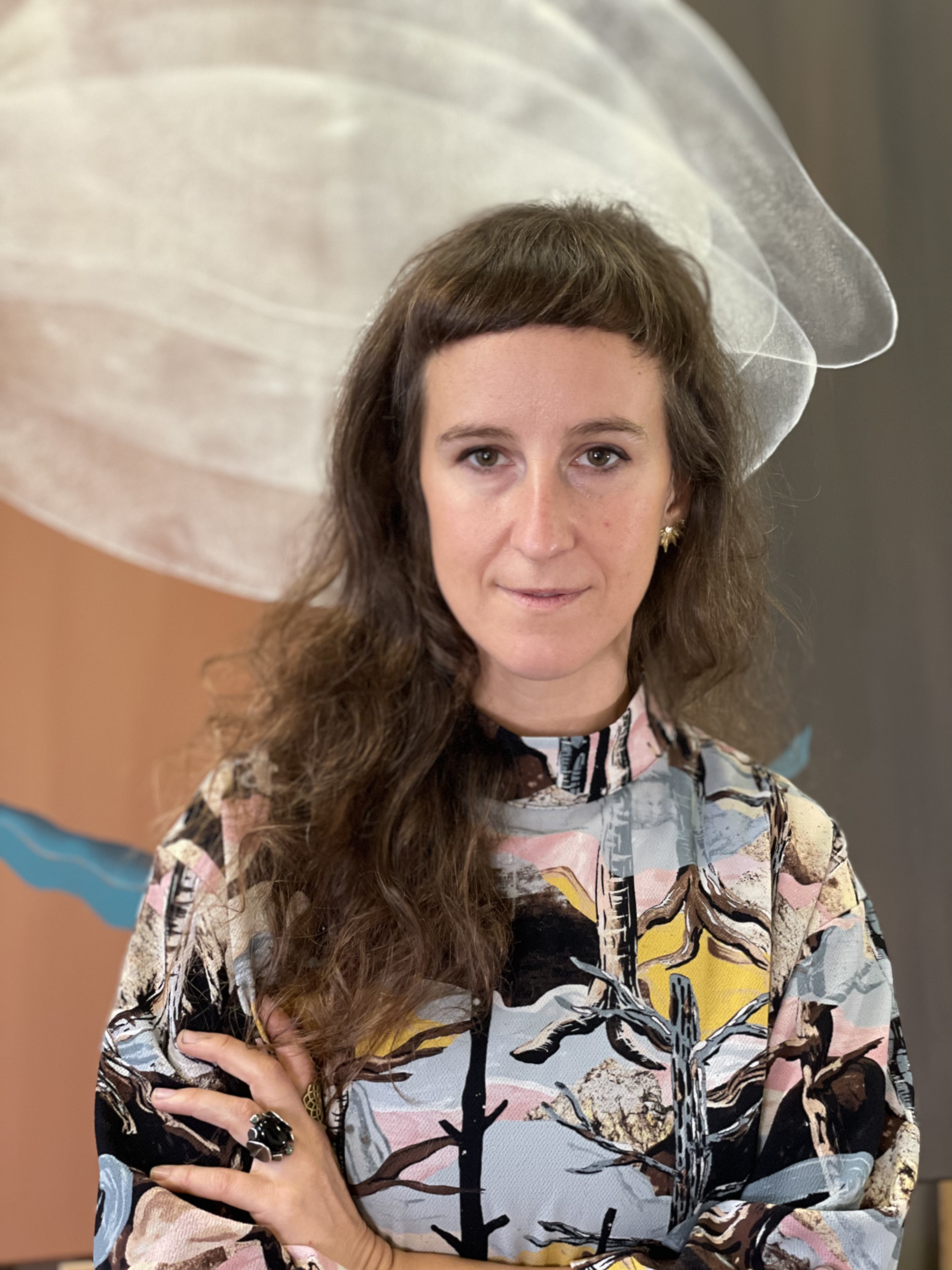
The work of Artist's Hero is carried out in a highly professional spirit – from the initial invitation to the exhibition project and its organization, all the way to the return of the artworks to the studio, everything was perfect. I am also very grateful for the company of artists that I could be a part of during the *Beyond Space* exhibition at Capexus, as well as for the curatorial selection of my works by the wonderful Anna Pulkert. Marek is a person with an amazing vision and a beautiful approach to life. I wish him and Artist's Hero many successful projects in the future as well.
Karolína Rossí
visual artist, painter
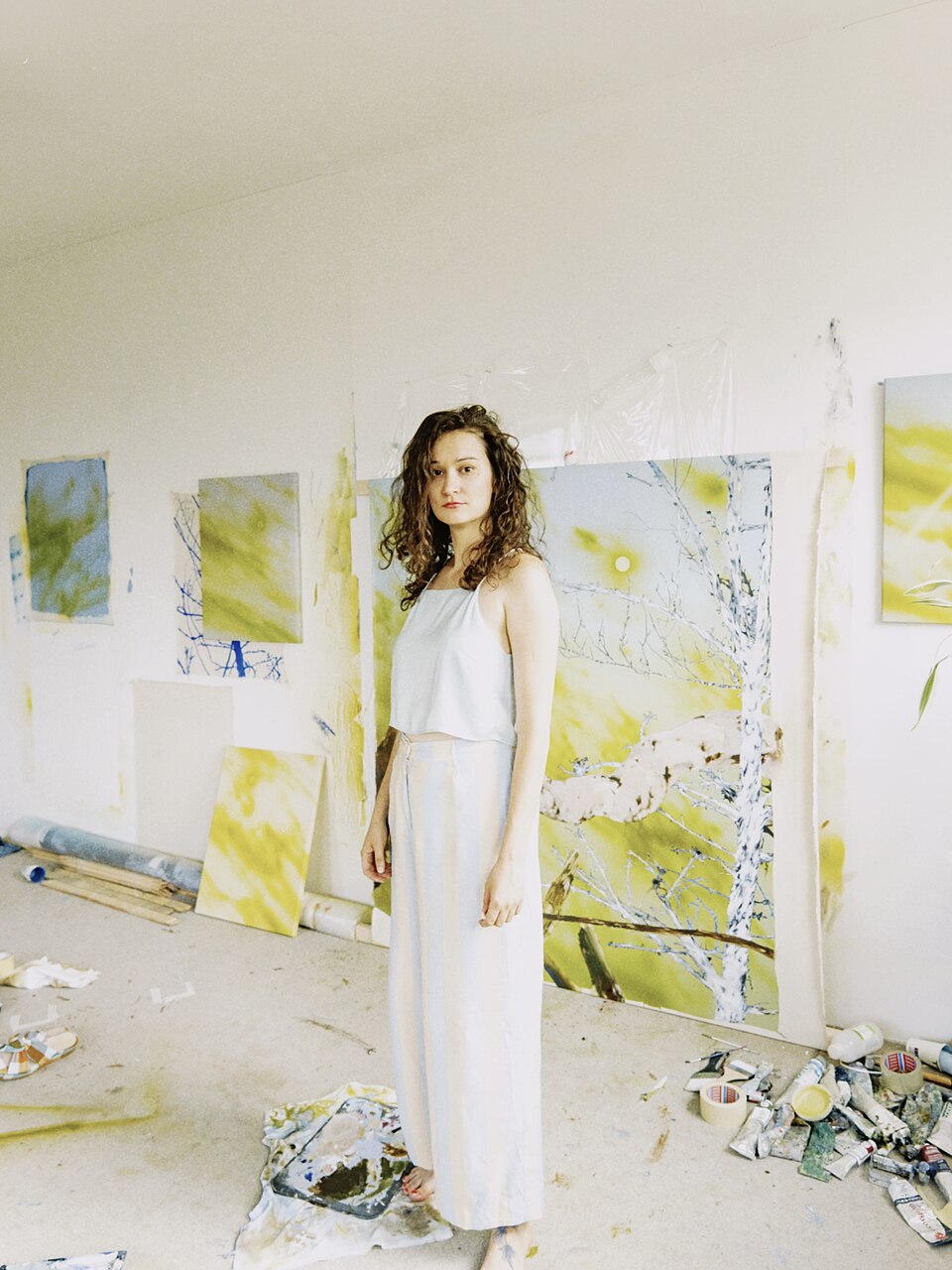
What I appreciate most about working with Marek Jakúbek and the Artist's Hero project is how thoughtfully and honestly the entire initiative is built – from communication and the contract to the actual execution. I also value the fact that the project is consulted with theorists and curators, and that it has managed to rid the art rental format of the unpleasant connotation it often carries here, transforming it into a dignified and refined connection between art, space, and people. An authentic passion for art can be felt throughout the entire project. At the same time, it is one of the few formats of its kind that is able to appreciate artists not only symbolically, but also adequately in financial terms.
Helen Tóth
visual artist, painter
01
02
03